

Updated: 08/12/2026 Being accepted by Stanford or an Ivy League University is becoming more and more difficult every year. Admission rates at these top colleges have collapsed by on average 50%. Watch the webinar to learn how to navigate the Stanford and Ivy League admissions process, position your application, and market your candidacy. Read below for an…

How to Build Your Next Chapter After Military Service Transitioning from military service to civilian life often brings important decisions about the future. For many veterans, higher education can provide an opportunity to build on the skills, experiences, and leadership developed during their service while preparing for new personal and professional goals. Whether you are…

The importance of demonstrated interest in college admissions is currently under debate. Some colleges and universities put more weight on demonstrated interest than others, with some eliminating it altogether. Given the complex admissions environment, it is essential, as a prospective applicant, to plan and prepare for the range of colleges to which you will apply,…

There is no set age to prepare your child for the Ivy League or Ivy-like schools. However, there are many habits we can foster from a young age. Academic prowess, a high level of personal development, along with a strategic approach are all necessary while positioning your child to apply to an Ivy League or…

Key Takeaways: Junior year is an important time during a students’ high school career, but it can also be a busy and demanding season because they’ll be juggling rigorous coursework with early college preparation. Students should create a testing timeline for the SAT or ACT and begin preparing for these standardized exams. Juniors should also…

After a long school year, you’re probably ready to take a lengthy break. Summer breaks evoke long, lazy days, visits to the beach or park, Netflix binges, and sleeping in. Should you enjoy your summer break? Absolutely! We all deserve and need time to relax, be creative, discover or revisit hobbies, and spend time with…

Requirements, English Proficiency, and Application Tips Quick Overview Applying to U.S. colleges as an international student is similar to the process for domestic applicants, but there are added considerations. You may need to plan earlier for standardized testing, English proficiency exams, travel documents, and financial documentation. Colleges may also evaluate your academic record differently and…

Applying to law school is a challenging task, but your application process began years ago. Top-tier law schools place a significant amount of consideration and weight on your undergraduate grade point average and the rigor of your coursework. This Article Will Discuss The Following: Choosing a challenging major that cultivates your writing abilities, critical thinking,…

College visits are an important component of your college search process. It’s an opportunity to experience firsthand what it feels like to be on campus. The vibe you get from each visit helps shape your college list and perhaps identify and solidify your Restrictive Early Action or Early Decision schools. So, don’t take your visit…
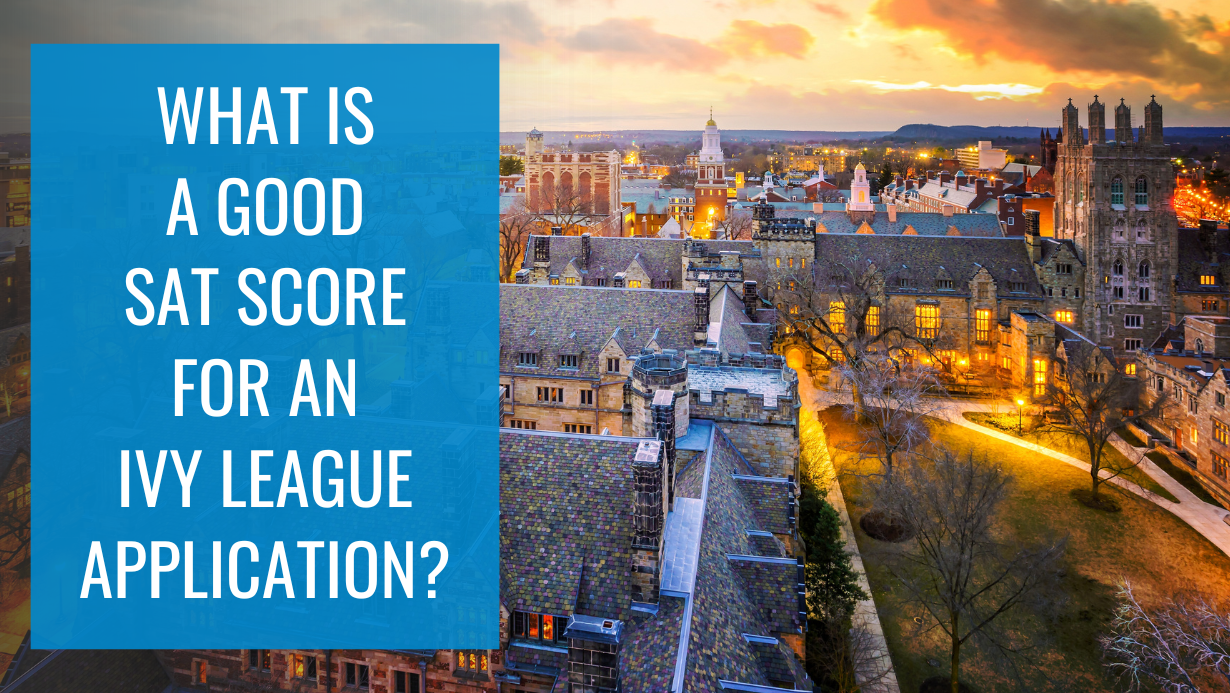
Because of the Ivy League’s level of prestige and highly esteemed academics, competition for its coveted few freshman class spots is fierce. Hundreds of thousands of students apply each year to the Ivy League from around the world. In a typical application cycle, over 400,000 students apply across all eight Ivy League schools. This Article Will Discuss…